TOP CUSTOMER REVIEW

I absolutely love it. It was a bit tricky to put together but well worth it. It’s strong, sturdy and it tumbles freely.

Theresa B

Garden Compost Bin | Composting Container | Outdoor Composter

Enrich your garden beds without the need for chemical fertilisers with the tumbling compost bin

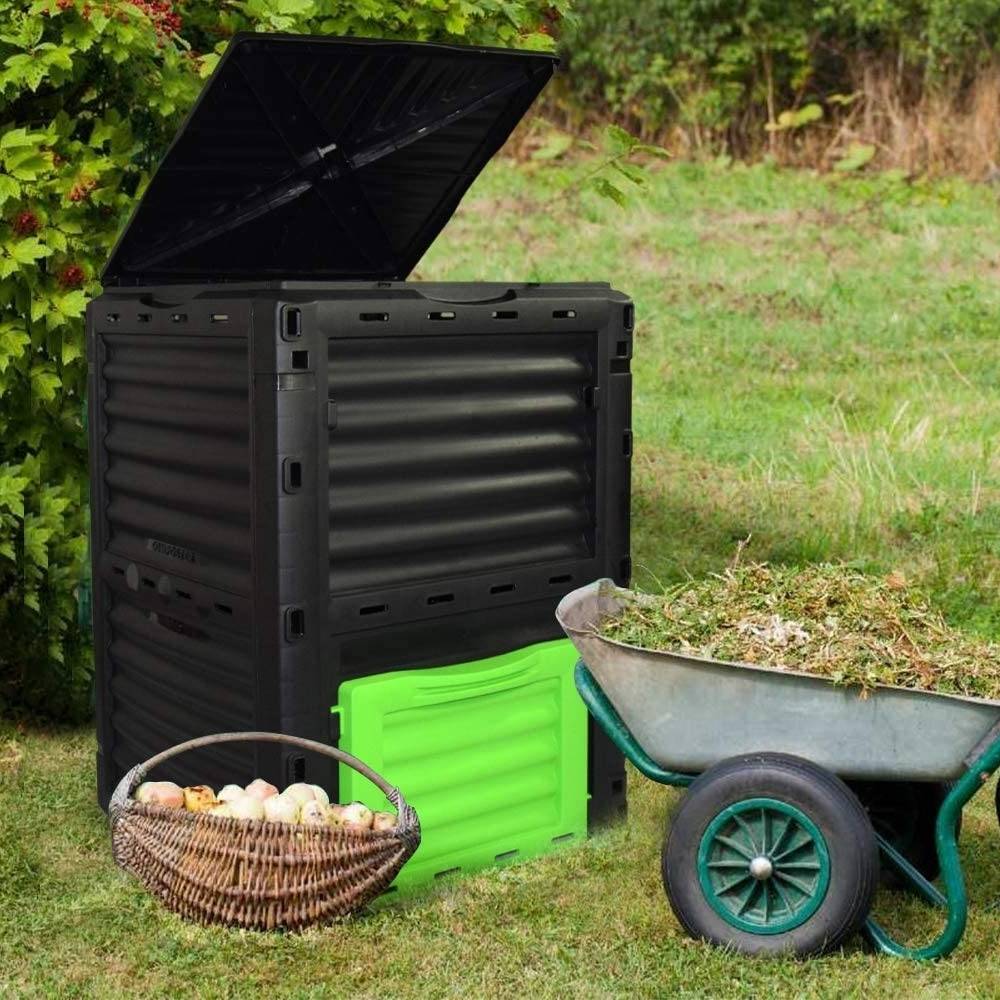
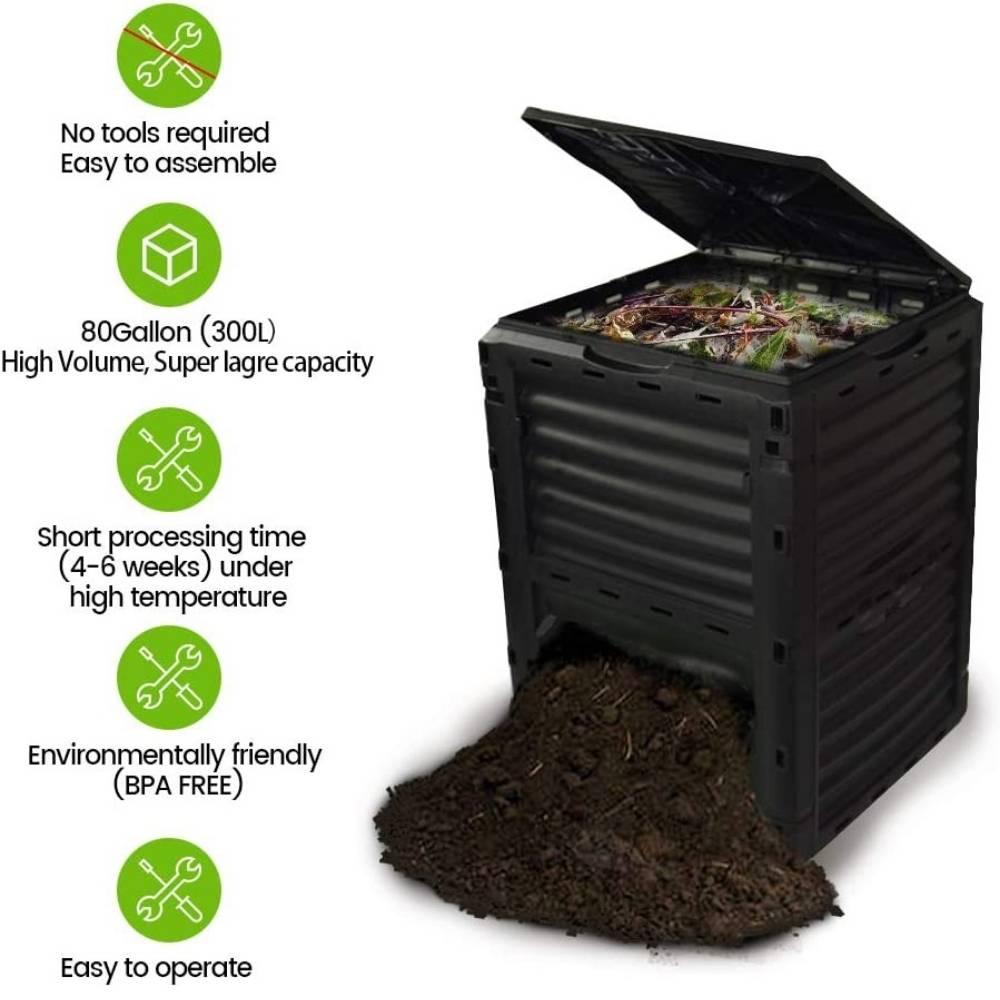
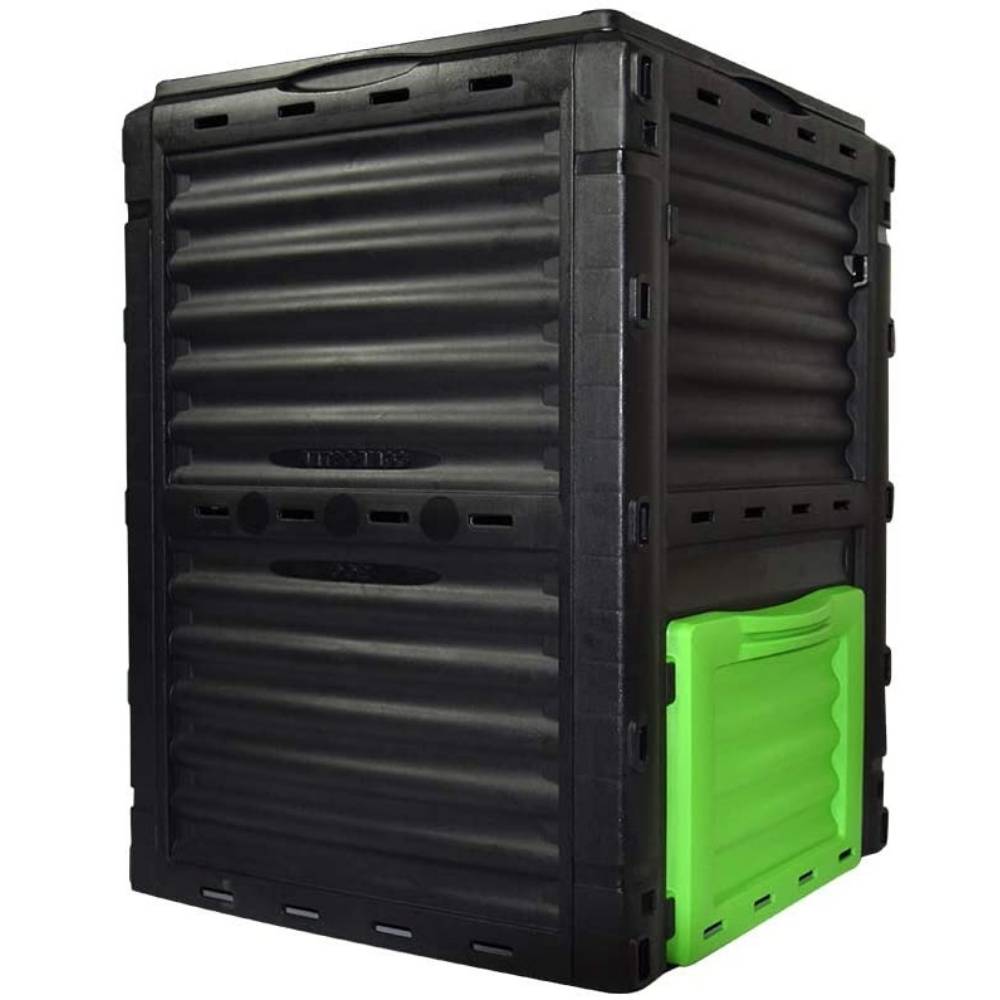
Easy To Install & Use. The compost bin is made of high quality & durable PP material which is environmentally safe & can withstand cold winters, perfect for gardens, farmland, yards. 160L capacity
Sale!

Original price was: $199.Current price is: $179.

FREE FAST DELIVERY ACROSS NZ ON ALL ORDERS OF $75+ or more (save $25)

Key Features:

  • 160L capacity – plenty of room for kitchen scraps & garden clippings
  • Dual-chamber design – compost continuously without interruption
  • 360° tumbling action – just spin to aerate, no digging required
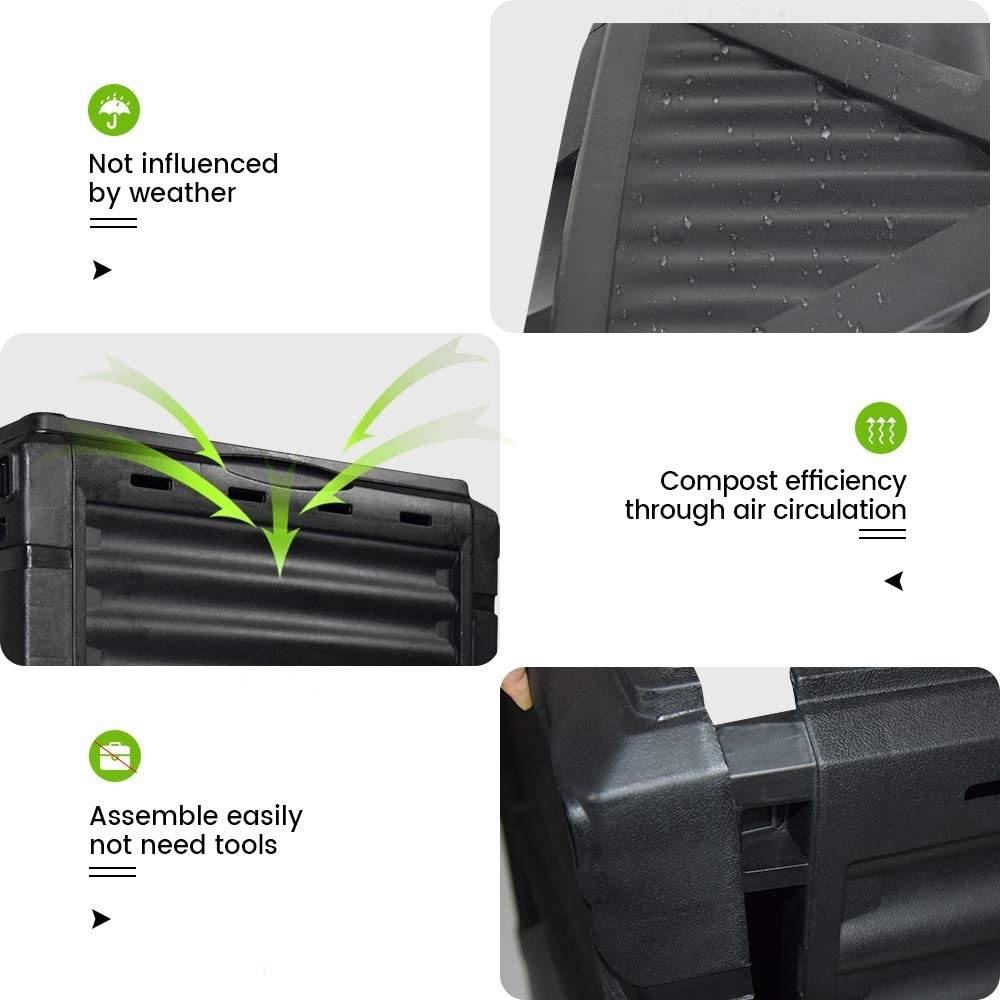
  • Weather-resistant construction – built to last through all seasons
  • Optimised ventilation – faster breakdown, fewer odours
SPECIFICATIONS
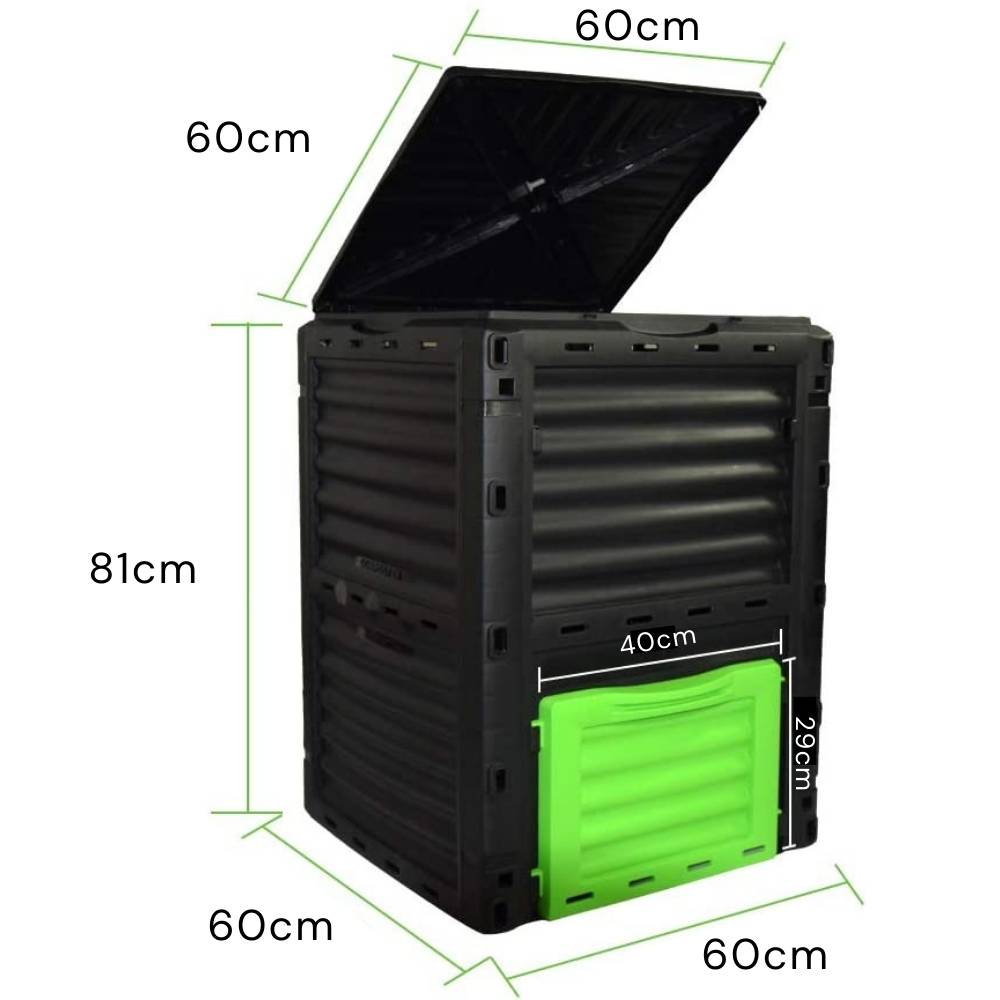
  • 160L Capacity

best garden compost bin

best spinning composting bin

best online company

DUE TO CURRENT DEMAND PLEASE ALLOW 5-7 DAYS DELIVERY
Direct To Your Door - All Across New Zealand

Original price was: $199.Current price is: $179.

where to buy lawn care products online
best spinning composting bin
best garden compost bin

Transform Kitchen Scraps Into Garden Gold – Effortlessly

The Outdoor Tumbling Compost Bin takes the hard work out of composting, giving you a simple, efficient way to turn everyday waste into rich, organic fertiliser. Perfect for busy gardeners who want results without the mess, smell or daily maintenance.

Z

Plenty of Space, Minimal Effort

With a roomy 160-litre capacity across two chambers, this composter handles everything from vegetable peelings to grass clippings with ease. The smooth tumbling mechanism does the heavy lifting for you – simply give it a few spins every couple of days to keep oxygen flowing and microbes working. No forks, no backache, no mess.
Z

Compost When You Need It

The smart twin-bin system means you can fill one side while the other finishes maturing, so you always have fresh compost ready when your garden needs it. Whether you’re prepping beds in spring or mulching in autumn, you’ll have a consistent supply of nutrient-packed organic matter to feed your soil and strengthen your plants.
Z

Tough, Tidy and Trouble-Free

Engineered with a heavy-duty plastic body and reinforced steel frame, this bin stands up to sun, rain and frost without cracking or rusting. Deep internal fins tumble contents thoroughly, while strategically placed air vents promote fast decomposition and minimise unpleasant smells. The result? Clean, crumbly compost in weeks, not months – with none of the soggy, smelly problems that come with traditional bins.
best outdoor composter
best spinning composter bin
best tumbling compost bin
best compost bin tumbler
best tumbling composter bin
Frequently Asked Questions
the lawn care company new zealand
  • image/svg+xmlimage/svg+xml
    HOW DO I KNOW IF MY ORDER HAS BEEN SHIPPED?

    Once your order is shipped, it will be marked as complete in our database and you will receive a confirmation email with a tracking number.

  • image/svg+xmlimage/svg+xml
    WHAT ARE YOUR DELIVERY OPTIONS AND HOW LONG WILL IT TAKE?
    • NEW ZEALAND: Free delivery, 5-7 days
    • Other countries: Free delivery, 7-10 days

    OUR DELIVERY PARTNERS

    nz delivery partners
  • image/svg+xmlimage/svg+xml
    DO YOU HAVE A SHOP LOCATION?

    We are a “online supplier”, with no physical shop or premises. In this way, we are able to pass our considerable savings directly to you.

  • image/svg+xmlimage/svg+xml
    I HAVEN'T RECEIVED MY ORDER YET! IS IT LOST?

    If you have any concerns with your order, please contact our support team by email and they will be glad to assist you. Most emails are answered within 1 business day.

    Support Team: [email protected]

  • image/svg+xmlimage/svg+xml
    DO I GET A RECEIPT FOR MY ORDER?

    You will be sent a receipt for your order by email after payment is made. You will also receive a confirmation email with a tracking number once your item has been shipped.

  • image/svg+xmlimage/svg+xml
    WHAT CURRENCY ARE THE PRICES DISPLAYED IN?

    All of our prices are displayed in $NZD – New Zealand Dollars

  • image/svg+xmlimage/svg+xml
    WHICH PAYMENT METHODS ARE ACCEPTED?

    We currently only accept credit card payments, PayPal & Crypto currency. More payment methods will be added in the future.

What is a Garden Compost Bin used for?
A Garden Compost Bin, also known as a Composting Container or Outdoor Composter, is used to efficiently and environmentally compost kitchen scraps, yard waste, and organic materials. It transforms these materials into nutrient-rich compost that can be used to enrich garden soil.
How does a Composting Container benefit my garden?
A Composting Container, interchangeably referred to as a Garden Compost Bin or Outdoor Composter, benefits your garden by providing a convenient and controlled environment for composting. It reduces waste, produces nutrient-rich compost, and enhances soil quality, leading to healthier and more productive plants.
Is an Outdoor Composter easy to set up and use?
Yes, an Outdoor Composter, also known as a Garden Compost Bin or Composting Container, is designed for easy setup and use. Most models come with instructions, and the composting process is simple, making it accessible for both beginners and experienced gardeners.
What are the advantages of using a Garden Compost Bin?
Using a Garden Compost Bin, also interchangeably called a Composting Container or Outdoor Composter, offers several advantages. It reduces kitchen waste, creates eco-friendly compost, enriches soil, and promotes sustainable gardening practices.
Can a Composting Container be used year-round?
Yes, a Composting Container can be used year-round in most climates. Many models are designed to withstand different weather conditions, allowing you to compost throughout the seasons.
Can an Outdoor Composter reduce kitchen waste and save money on fertilizers?
Yes, an Outdoor Composter can reduce kitchen waste significantly, diverting it from landfills. Additionally, the nutrient-rich compost produced can replace store-bought fertilizers, saving you money on gardening expenses.
Can a Garden Compost Bin help improve soil structure and water retention?
Yes, a Garden Compost Bin can improve soil structure and water retention. Compost enhances soil’s ability to hold moisture and improves its texture, making it more conducive to plant growth.
Are Composting Containers available in different sizes to accommodate various composting needs?
Yes, Composting Containers come in various sizes to accommodate different composting needs. Whether you have a small balcony garden or a large yard, there’s a suitable container size to match your requirements.
Can an Outdoor Composter help reduce greenhouse gas emissions?
Yes, an Outdoor Composter can help reduce greenhouse gas emissions. Composting organic materials in your backyard diverts them from landfills, where they would produce methane gas, a potent greenhouse gas.
Can using a Garden Compost Bin make my gardening practices more sustainable and eco-friendly?
Yes, using a Garden Compost Bin, also interchangeably referred to as a Composting Container or Outdoor Composter, can make your gardening practices more sustainable and eco-friendly. It reduces waste, minimizes the need for chemical fertilizers, and promotes a greener and more responsible approach to gardening.

The Complete Guide to Tumbling Compost Bins: Transform Your Garden Waste Into Black Gold

Every gardener knows the secret to healthy, thriving plants starts beneath the surface. Rich, nutrient-dense soil doesn’t come from a bottle – it comes from the natural decomposition of organic matter. And while traditional composting has been around for centuries, modern tumbling compost bins have revolutionised the way home gardeners create their own “black gold” with minimal effort and maximum results.

A tumbling compost bin offers a practical, space-efficient solution for anyone looking to reduce household waste, enrich their garden soil, and embrace more sustainable living practices. Whether you’re growing vegetables, maintaining flower beds, or simply wanting to do your bit for the environment, understanding how these innovative composters work can transform your approach to garden care.

Why Composting Matters More Than Ever

In a world increasingly conscious of environmental impact, composting has emerged as one of the simplest yet most effective ways individuals can make a genuine difference. Household food scraps and garden waste account for a significant portion of landfill content, where they decompose anaerobically, producing methane – a greenhouse gas far more potent than carbon dioxide.

When you compost at home, you’re not just creating free fertiliser for your garden. You’re actively diverting waste from landfill, reducing greenhouse gas emissions, and participating in the natural cycle of growth and renewal that sustains all plant life. The compost you create becomes a living ecosystem of beneficial microorganisms, fungi, and nutrients that transform tired, depleted soil into a thriving environment where plants can flourish.

The Environmental Benefits of Home Composting

Beyond the immediate benefits to your garden, composting contributes to broader environmental goals. Finished compost improves soil structure, helping it retain moisture more effectively and reducing the need for supplementary watering during dry spells. This improved water retention means less runoff, which in turn reduces soil erosion and protects local waterways from sediment pollution.

Compost also reduces the need for synthetic fertilisers, which require significant energy to manufacture and can leach into groundwater supplies, causing environmental damage. By creating your own organic fertiliser at home, you’re closing the loop on your household’s waste stream while building healthier, more resilient garden soil.

What Makes Tumbling Composters Different

Traditional compost heaps have their place, but they come with challenges that can discourage even enthusiastic gardeners. The need for regular manual turning with a pitchfork, the slow decomposition rate, potential odour problems, and the attraction of pests all present barriers to successful composting. Tumbling compost bins elegantly solve these issues through thoughtful design and engineering.

A tumbling composter features a drum mounted on a frame, allowing you to rotate the entire bin with minimal effort. This rotation aerates the compost quickly and thoroughly, mixing fresh materials with partially decomposed matter to speed up the breakdown process. What might take six months in a traditional heap can be ready in as little as four to six weeks in a well-maintained tumbling bin.

The Science Behind Faster Decomposition

Effective composting relies on four key elements working in harmony: carbon-rich “brown” materials, nitrogen-rich “green” materials, moisture, and oxygen. The tumbling action of a rotating compost bin excels at introducing oxygen throughout the pile, which is essential for supporting the aerobic bacteria responsible for rapid decomposition.

When compost materials don’t receive adequate oxygen, anaerobic bacteria take over. These organisms work much more slowly and produce unpleasant odours as byproducts of their digestion. By simply rotating your tumbling bin every few days, you ensure that oxygen reaches all parts of the pile, keeping the beneficial aerobic bacteria active and productive while minimising smell.

Key Features of an Effective Tumbling Compost Bin

Dual-Chamber Design for Continuous Composting

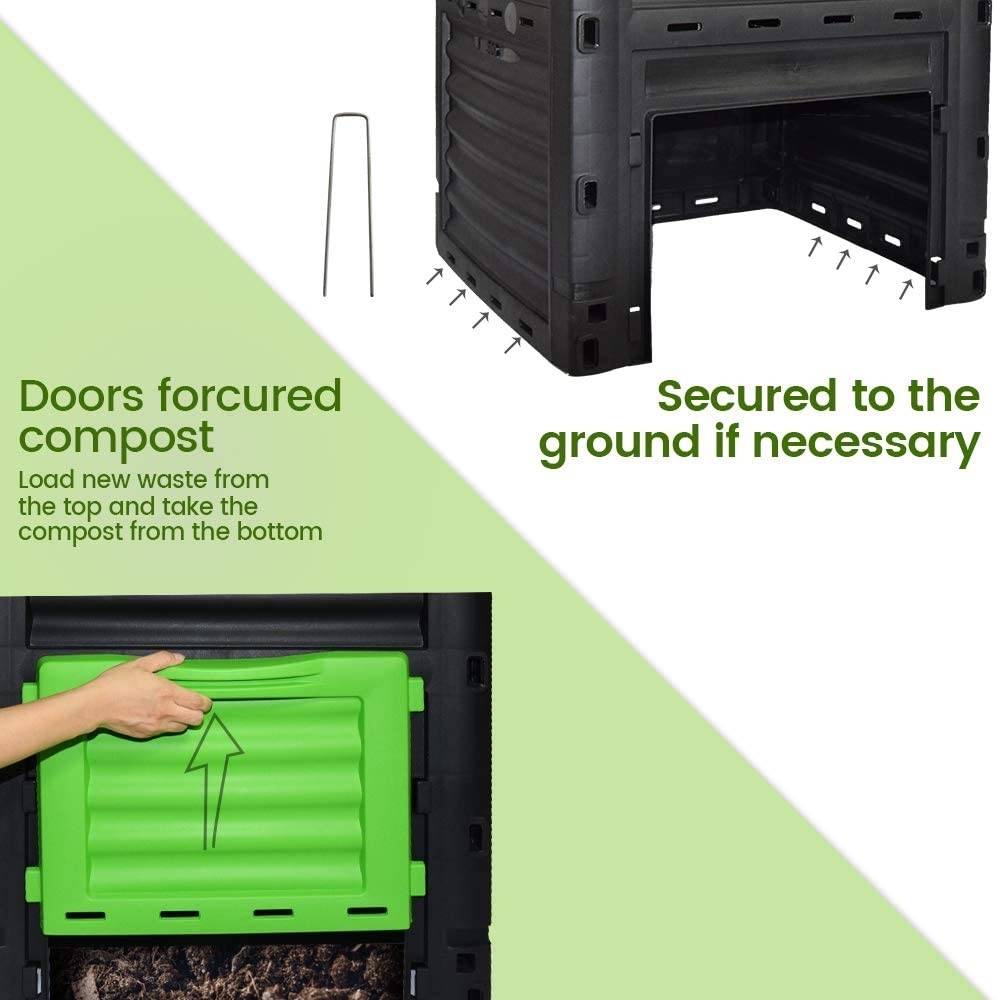
One of the most valuable innovations in modern tumbling composters is the dual-chamber system. This design features two separate compartments within the same unit, allowing you to manage compost at different stages of maturity simultaneously. While one chamber is actively receiving fresh kitchen scraps and garden waste, the other chamber is left to cure and finish its decomposition process.

This continuous composting system means you never have to stop adding materials while waiting for a batch to finish. For active gardeners and households generating regular organic waste, this feature alone can justify the investment in a quality tumbling bin. You’ll always have finished compost ready when your garden needs it, without the frustration of waiting weeks or months for a single batch to complete.

Generous Capacity for Real-World Use

A 160-litre capacity provides ample space for the average household’s composting needs without becoming unwieldy or difficult to turn. This size strikes an ideal balance – large enough to handle substantial volumes of garden clippings from weekend yard work or a bumper harvest of autumn leaves, yet compact enough to fit comfortably in most outdoor spaces.

The dual chambers typically split this capacity, giving you approximately 80 litres per side. This size per chamber is perfect for maintaining the proper balance of materials and moisture levels, as overly large bins can become difficult to mix thoroughly or may dry out unevenly.

Weather-Resistant Construction

Your compost bin lives outdoors year-round, exposed to intense summer sun, winter frost, rain, and wind. Quality construction using UV-resistant plastic and powder-coated steel framing ensures your investment withstands these elements season after season. The materials resist cracking in cold weather, won’t warp or fade under harsh sunlight, and won’t rust or corrode despite constant exposure to moisture.

This durability translates to years of reliable service, making a well-built tumbling composter a one-time purchase rather than something you’ll need to replace every few seasons. Look for thick-walled construction and reinforced connection points where the drum meets the frame – these areas bear the most stress during regular use.

Ventilation Systems That Work

Proper airflow is absolutely critical for successful composting, and strategic ventilation design separates good tumbling bins from great ones. Deep internal fins not only aid in mixing materials as the bin tumbles but also help break up clumps and prevent compaction. Ventilation holes positioned around the drum allow fresh air to circulate while also providing exit points for excess moisture and gases produced during decomposition.

This continuous air exchange accelerates the composting process dramatically compared to static bins with limited ventilation. The result is faster compost production, reduced odours, and a more consistent finished product throughout the bin rather than well-composted material on the outside and barely-broken-down matter in the centre.

Getting Started: Your First Batch of Compost

Understanding the Green and Brown Balance

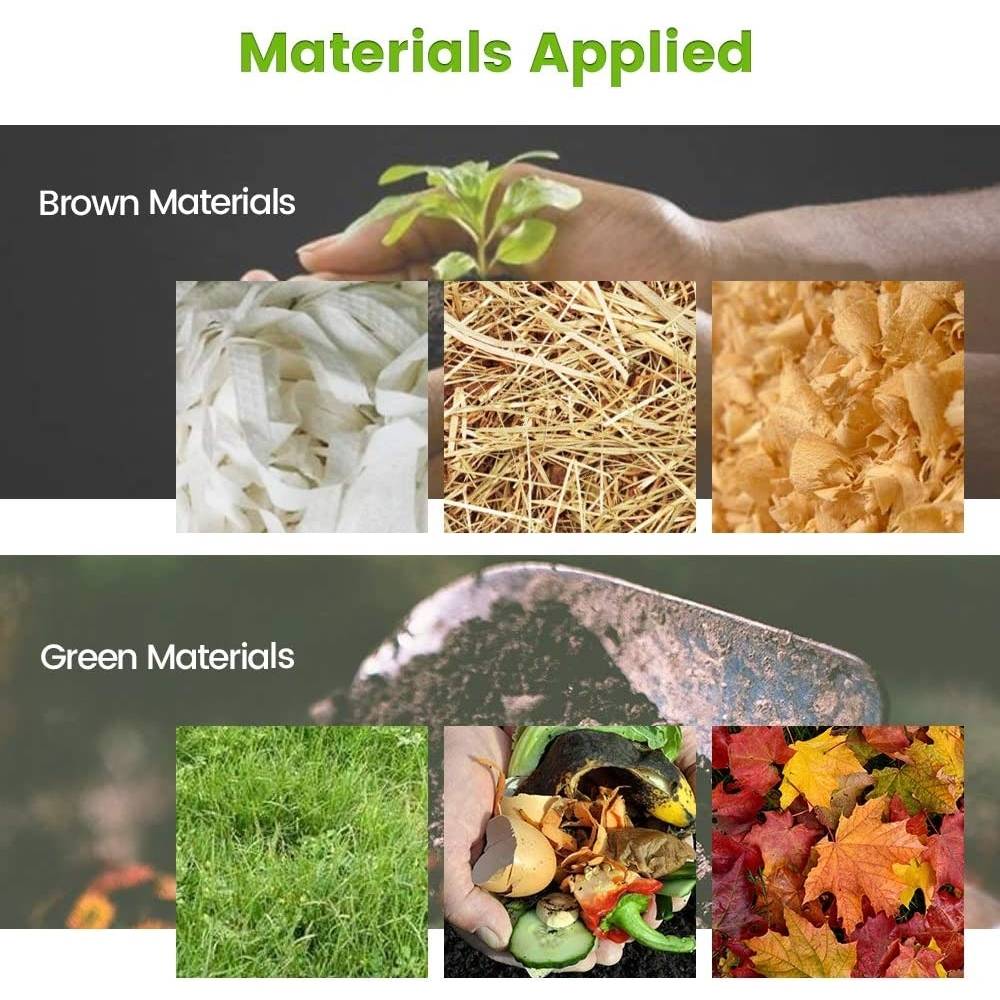
Successful composting requires understanding the relationship between nitrogen-rich “greens” and carbon-rich “browns.” Greens include fresh materials like fruit and vegetable scraps, coffee grounds, fresh grass clippings, and green plant matter. These materials provide the nitrogen that feeds the microorganisms breaking down your compost, but too much green matter can make your pile slimy and smelly.

Browns include dried leaves, shredded paper and cardboard, straw, wood chips, and dried plant stems. These carbon-rich materials give compost its structure, help it retain air pockets, and absorb excess moisture. As a general rule, aim for a ratio of roughly two to three parts brown material to one part green material by volume. This balance provides the ideal environment for rapid, odour-free decomposition.

What You Can Compost

Your tumbling compost bin can transform a remarkable variety of household and garden waste into nutrient-rich soil amendment. Vegetable peelings, fruit scraps, coffee grounds with filters, tea bags, crushed eggshells, grass clippings, and leaves all break down beautifully. You can also add shredded newspaper, cardboard egg cartons, paper towels, and other plain paper products.

Garden waste like spent flowers, weeds (before they go to seed), small prunings, and old potting soil all make excellent compost ingredients. Even hair from brushes, dryer lint from natural fibres, and wood ash in small quantities can go into your bin. The key is variety – diverse materials create richer, more nutritionally complete compost.

What to Keep Out

While composters are remarkably forgiving, certain materials should never go in your bin. Meat, fish, bones, and dairy products decompose slowly, attract pests, and can create serious odour problems. Oils, fats, and greasy foods cause similar issues and can make your compost pile anaerobic.

Pet waste should be excluded, as it can contain pathogens harmful to humans. Diseased plants might spread problems to your garden when you apply the finished compost. Coal ash, treated wood, and glossy or coloured paper may contain chemicals you don’t want in your garden. And while you can compost citrus and onions, use them sparingly as their strong oils can slow down the decomposition process.

Daily and Weekly Maintenance for Best Results

The Art of Turning

The beauty of a tumbling composter lies in its simplicity, but that doesn’t mean you can simply load it and forget it. For optimal results, give your bin five to six complete rotations every two to three days. This frequency ensures fresh oxygen reaches all the decomposing materials, prevents compaction, and mixes newly added materials with partially broken-down matter where they can be colonised by active microorganisms.

The physical effort required is minimal – typically just a minute or two of your time. Make it part of your routine, perhaps when you’re already outside watering plants or doing other garden tasks. Consistency matters more than intensity; regular gentle mixing works better than occasional aggressive turning.

Moisture Management

Your compost pile should feel like a wrung-out sponge – moist but not dripping. Too much moisture drives out oxygen and creates anaerobic conditions, leading to slow decomposition and foul odours. Too little moisture and the beneficial microorganisms can’t thrive, bringing the composting process to a near-standstill.

In dry weather, you may need to add water occasionally. Use a watering can or garden hose with a gentle spray to moisten the contents, then turn the bin several times to distribute the water evenly. During wet periods, add extra brown materials to absorb excess moisture, or leave the bin’s door open (if safe from pests) to allow some evaporation between turning sessions.

Temperature Monitoring

Active compost generates heat as microorganisms digest organic matter, and maintaining proper temperatures accelerates decomposition dramatically. A well-managed pile can reach 55-65°C in its centre, hot enough to kill weed seeds and many plant pathogens. This heat also speeds up the breakdown of materials, turning raw scraps into finished compost in record time.

You don’t need fancy equipment to monitor temperature – touching the outside of your bin after a sunny day should reveal noticeable warmth. If your pile isn’t heating up, it may need more green materials, additional moisture, or more frequent turning. A cool pile isn’t necessarily a problem, it just means decomposition will proceed more slowly.

Troubleshooting Common Composting Challenges

Addressing Unpleasant Odours

A properly managed compost bin should smell earthy and slightly sweet, like a forest floor after rain. If you detect ammonia or rotten egg smells, your pile has too much nitrogen-rich green material or insufficient oxygen. The solution is straightforward: add brown materials like shredded paper or dry leaves, then turn the bin more frequently to introduce oxygen throughout the pile.

Anaerobic conditions create the worst odours, which is why tumbling bins excel at odour prevention. By making turning easy, they encourage the regular aeration that keeps beneficial aerobic bacteria dominant. If you’ve let your pile sit too long without turning, don’t worry – a few days of regular rotation will usually eliminate odours as aerobic conditions are restored.

When Decomposition Seems Too Slow

If materials are breaking down slowly, several factors might be at play. Cold weather naturally slows microbial activity, and there’s little you can do except be patient. However, if it’s warm and things still aren’t progressing, check your green/brown ratio. Too much brown material means insufficient nitrogen to fuel rapid decomposition, so add some fresh grass clippings or vegetable scraps to get things moving.

Particle size also affects decomposition speed. Whole branches, large vegetable chunks, and unshredded paper break down much more slowly than smaller pieces. Taking a few moments to chop larger items before adding them to your bin significantly speeds up the process by increasing the surface area available to decomposing organisms.

Dealing with Pests

One advantage of elevated tumbling bins is their natural resistance to many pests. Rats and mice have difficulty accessing an elevated drum, and properly managed compost shouldn’t attract flies in problematic numbers. If you do notice fruit flies, it usually means fresh materials are exposed at the surface. The solution is simple: tumble the bin to bury new additions under partially composted material, then avoid adding fresh scraps for a day or two to let the fly larvae die off.

For larger pests, ensure your bin’s door seals properly and avoid composting any meat, dairy, or oily foods that might attract unwanted attention. Most insects found in compost, like beetles and sowbugs, are actually beneficial decomposers rather than pests and should be welcomed as signs of a healthy, active pile.

Harvesting and Using Your Finished Compost

Recognising When Compost Is Ready

Finished compost should be dark brown, crumbly, and smell pleasantly earthy. Individual items should no longer be recognisable, with the possible exception of woody stems, fruit pits, or other slow-to-decompose materials that can be removed and returned to the bin for another cycle. The texture should resemble rich potting soil, holding together when squeezed but crumbling easily when disturbed.

Depending on your materials, turning frequency, and weather conditions, compost can be ready anywhere from four weeks to four months. The dual-chamber design of quality tumbling bins allows you to leave one side undisturbed for final curing while continuing to add fresh materials to the other chamber, ensuring you always have finished compost available when you need it.

Application Methods for Maximum Benefit

Finished compost can be used in numerous ways throughout your garden. Mix it into planting holes when installing new plants to give roots immediate access to nutrients and beneficial microorganisms. Spread a layer several centimetres thick over garden beds as mulch to suppress weeds, retain moisture, and slowly release nutrients as the compost continues breaking down.

For containers and potted plants, blend compost with potting mix at a ratio of one part compost to three parts potting mix. Use pure compost as top dressing around established plants, or brew compost tea by steeping finished compost in water for several days, creating a nutrient-rich liquid fertiliser perfect for foliar feeding or drenching plant roots.

Seasonal Composting Strategies

Spring and Summer Composting

Warm weather accelerates composting dramatically as microbial activity increases with temperature. During these active growing months, you’ll likely have abundant green materials from grass clippings, prunings, and kitchen scraps. Balance this nitrogen-rich input with shredded paper, cardboard, or stored dry leaves from autumn.

Summer heat can dry out your pile quickly, so monitor moisture levels closely and water as needed. The increased activity also means more frequent harvesting opportunities – you might finish a batch of compost in as little as three to four weeks during peak summer conditions with attentive management.

Autumn Composting Advantages

Autumn brings nature’s bounty to composters in the form of fallen leaves, which make excellent carbon-rich brown material. Collect and store extra leaves in bags or bins for use throughout winter and spring when brown materials become scarce. Shredding leaves with a mulching mower before adding them to your compost speeds their breakdown and prevents them from matting into impermeable layers.

This is also an ideal time to empty summer annual containers and compost spent plants, harvest vegetable garden plant matter after the growing season ends, and process any garden cleanup waste from perennial bed maintenance. Take advantage of still-warm soil temperatures in early autumn to finish batches quickly before winter slows things down.

Winter Composting Realities

Composting doesn’t stop when temperatures drop, though it does slow considerably. Microbial activity decreases in cold weather, meaning decomposition may take twice as long or more compared to summer. However, you can still add materials throughout winter – they simply accumulate and begin breaking down slowly, ready to accelerate their decomposition when spring temperatures return.

The insulation provided by a full bin helps maintain some warmth even in cold conditions. Position your composter in a sunny location to take advantage of solar warming, and consider adding finished compost or garden soil to inoculate new materials with beneficial microorganisms that can work at lower temperatures.

Maximising Your Investment

Proper Assembly and Placement

Taking time to properly assemble your tumbling composter pays dividends in smooth operation and longevity. Follow the manufacturer’s instructions carefully, ensuring all connections are tight and secure. The turning mechanism should rotate freely without binding or catching – if it feels stiff, check that all components are correctly aligned before use.

Choose your location thoughtfully. A level surface prevents uneven rotation and stress on the frame. Partial shade helps prevent the bin from overheating and drying out too quickly in summer, while still allowing enough sun exposure to warm the contents and speed decomposition. Position the bin within easy reach of both your kitchen door and garden areas to encourage regular use without making it a chore.

Long-Term Care and Maintenance

Quality tumbling composters require minimal maintenance, but a few simple practices keep them functioning optimally for years. Periodically check fasteners and tighten any that have worked loose from regular use. Inspect the door seal to ensure it closes securely, preventing odours and pests. Once or twice yearly, empty the bin completely and rinse it out with a garden hose to remove any stubborn residue buildup.

Lubricate moving parts if rotation becomes difficult, using a silicon-based spray rather than oil-based products that might contaminate your compost. Check the frame for stability, especially after extreme weather, and address any issues promptly to prevent minor problems from becoming major repairs.

The Bigger Picture: Building Sustainable Garden Practices

Creating a Closed-Loop Garden Ecosystem

Composting represents just one element of sustainable gardening, but it’s a foundational practice that supports and enhances numerous other earth-friendly approaches. By producing your own fertiliser, you reduce reliance on synthetic products that require energy-intensive manufacturing and often come packaged in plastic. The improved soil structure from regular compost application reduces water needs, making your garden more drought-tolerant and reducing your environmental footprint.

Healthy, compost-enriched soil supports stronger plants that resist pests and diseases more effectively, reducing or eliminating the need for chemical interventions. This creates habitat for beneficial insects, birds, and other wildlife while protecting pollinators from harmful pesticides. The result is a thriving garden ecosystem that works with nature rather than against it.

Teaching Future Generations

A tumbling compost bin offers an excellent hands-on learning opportunity for children and young people. The cause-and-effect relationship between adding materials, turning the bin, and harvesting finished compost teaches valuable lessons about decomposition, nutrient cycles, and environmental responsibility. Children who participate in composting develop a deeper understanding of where waste goes and how their actions impact the broader environment.

This practical experience often inspires broader interest in gardening, sustainability, and environmental science. Watching raw kitchen scraps transform into rich, living soil feels almost magical and creates a tangible connection to natural processes that many people have lost in our increasingly urbanised world.

Conclusion: Your Path to Richer Soil and a Healthier Garden

A tumbling compost bin represents one of the most practical and rewarding investments a gardener can make. It transforms the challenge of composting from a labour-intensive process requiring dedicated space and frequent heavy work into something approachable, efficient, and surprisingly quick. The dual-chamber design ensures continuous availability of finished compost, while the weather-resistant construction and pest-resistant elevation provide years of reliable service.

More importantly, composting connects you more deeply to your garden and the natural cycles that sustain all growing things. Every time you add kitchen scraps or garden waste to your bin instead of the rubbish, you’re making a positive environmental choice. When you apply finished compost to your garden beds and watch plants respond with vigorous growth, you’re witnessing the power of working with nature rather than depending on industrial products.

The journey from beginner to confident composter happens quickly with the right equipment and basic understanding. Your tumbling bin does the heavy lifting, turning what could be tedious manual labour into a simple thirty-second task every few days. The reward – rich, crumbly, nutrient-dense compost that transforms ordinary soil into a thriving ecosystem – comes surprisingly fast, often in just weeks rather than months.

Whether you’re growing vegetables to feed your family, cultivating flowers for beauty, or simply maintaining a healthy lawn and landscape, the compost you create provides exactly what your plants need to thrive. It improves soil structure, supports beneficial microorganisms, provides balanced nutrition, and builds long-term soil health that gets better with each application.

Start your composting journey today, and discover how this simple practice transforms both your garden and your relationship with the waste your household generates. Within weeks, you’ll be harvesting your first batch of “black gold” and wondering why you didn’t start composting years ago. Your garden will thank you with stronger growth, more abundant harvests, and the vibrant health that only comes from truly living soil.